Lotus Flower Branch Line Art SVG: A Practical Guide to Format, Style, and Application
The demand for high-quality botanical illustrations has surged in recent years, driven by the rise of digital crafting, modern interior design, and personalized apparel. Among the most sought-after motifs is the lotus flower, a symbol of purity and resilience that translates beautifully into minimalist aesthetics. When searching for resources, creators often encounter the specific term Lotus Flower Branch Line Art SVG. This format represents more than just a digital image; it is a versatile tool designed for scalability, precision, and adaptability across various media. Understanding what this resource offers, how it compares to other formats, and when it is the optimal choice can significantly streamline your creative workflow.
Defining Lotus Flower Branch Line Art SVG
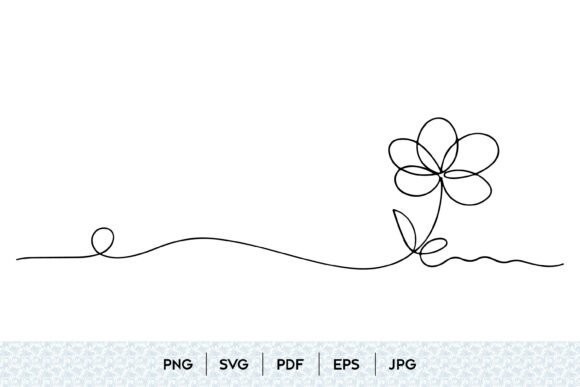
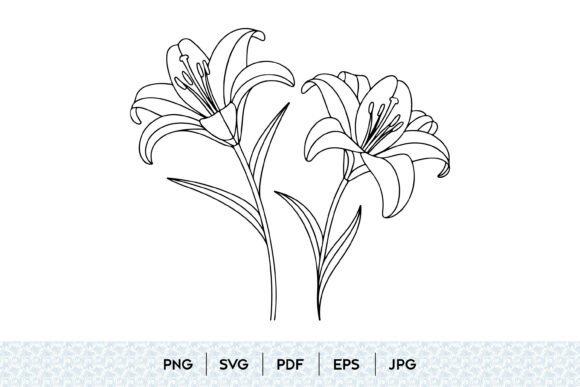
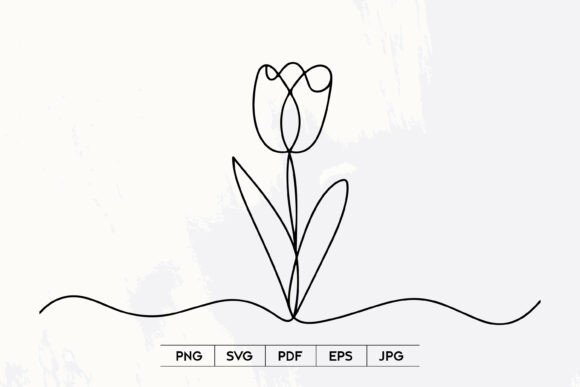
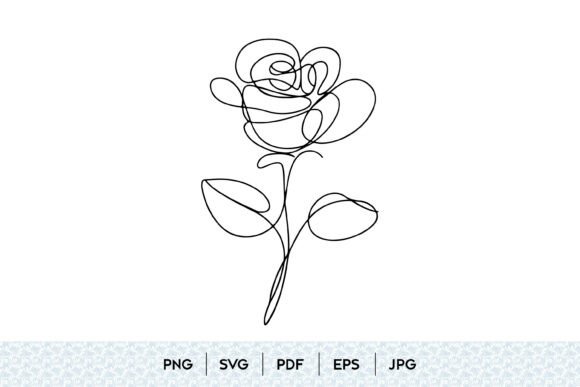
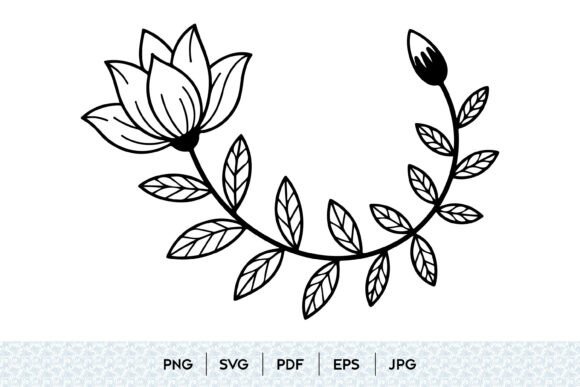
A Lotus Flower Branch Line Art SVG is a vector-based graphic file that depicts the outline or contour of a lotus flower, typically including its stem, leaves, and buds, using clean, continuous lines. Unlike raster images, which are composed of pixels, Scalable Vector Graphics (SVG) are defined by mathematical equations. This fundamental difference allows the artwork to be resized from a small icon on a website to a massive mural print without any loss of clarity or resolution.
The "line art" aspect refers to the stylistic approach. Instead of relying on shading, gradients, or complex color fills, these designs focus on the elegance of the contour. This style, often described as botanical line illustration or flower contour drawing, appeals to those seeking a refined, uncluttered look. The result is an elegant floral branch that serves as a perfect foundation for tattoos, laser cutting, or minimalist wall decor. When you acquire a lotus flower svg in this style, you are essentially getting a blueprint that can be manipulated, colored, or engraved with extreme precision.
Comparing Formats: SVG vs. PNG, JPG, and EPS
While many digital marketplaces offer a bundle containing SVG, PNG, EPS, JPG, and PDF files, understanding the distinct utility of each is crucial for making an informed decision. Each format serves a different stage of the creative process, and the right choice depends entirely on your intended application.
- SVG (Scalable Vector Graphic): This is the primary format for floral craft files used with cutting machines like Cricut or Silhouette. Because it retains vector data, you can resize the lotus branch clipart infinitely. It is also ideal for web design and screen printing where crisp edges are non-negotiable.
- PNG (Portable Network Graphics): PNGs are raster images with transparent backgrounds. They are excellent for quick mockups, social media posts, or sublimation transfers where resizing is not required. However, zooming in too far will reveal pixelation, a limitation the SVG format does not have.
- JPG (Joint Photographic Experts Group): Best for viewing purposes or embedding in documents where transparency is not needed. For a black and white floral art project, JPGs are generally less useful than PNGs because they lack transparency and compress details.
- EPS (Encapsulated PostScript): Often preferred by professional designers using Adobe Illustrator. Like SVG, it is a vector format but may contain more complex path data suitable for large-scale commercial printing or intricate floral engraving style work.
- PDF (Portable Document Format): Useful for preserving layout and vector data in a universally viewable document. It is frequently used for printable flower outline sheets intended for hand coloring or framing.
When evaluating a Lotus Flower Branch Line Art SVG package, the inclusion of multiple formats adds value, but the SVG remains the core asset for flexibility. If your project involves scaling the design significantly—such as turning a small tattoo sketch into a large floral wall art svg—the vector capability is indispensable.
Stylistic Alternatives: Line Art vs. Realistic or Watercolor
Beyond file formats, the aesthetic style of the illustration plays a pivotal role in its suitability. Lotus line art differs markedly from realistic botanical paintings or watercolor washes. Realistic styles capture texture, light, and depth, making them ideal for traditional fine art prints or detailed detailed lotus artwork where naturalism is the goal. In contrast, line art strips away these complexities to focus on form and structure.
This minimalist approach makes hand drawn botanical art particularly effective for projects requiring negative space. For instance, in floral tattoo design, line art ensures the ink heals cleanly and remains legible over time. Similarly, for floral laser cut design projects involving wood or acrylic, the solid lines of a vector file allow the machine to cut precise shapes, whereas a watercolor image would be impossible to cut accurately. The trade-off is that line art may lack the emotional depth of a fully rendered painting, but it gains significant versatility in functional applications.
Decision Factors: When to Choose Line Art SVG
Determining whether a Lotus Flower Branch Line Art SVG is the right resource requires analyzing your specific project constraints and goals. Several factors should guide this decision.
Scalability and Precision Requirements
If your project demands resizing, the SVG format is superior. Whether you are creating a tiny logo for a brand or a giant banner for an event, the lotus flower vector maintains its integrity. Raster alternatives like PNG or JPG will degrade if enlarged beyond their original dimensions. Therefore, for any decorative floral svg application where size is variable, the vector format is the logical choice.
Crafting and Manufacturing Compatibility
For makers utilizing electronic cutting machines, the flower svg for cricut is essential. These devices interpret vector paths to direct the blade. Attempting to use a raster image directly often results in jagged edges or failed cuts. Additionally, for ornamental flower svg projects involving vinyl decals or heat transfer vinyl (HTV), the clean lines of a lotus bloom drawing ensure that weeding (removing excess material) is straightforward and efficient.
Aesthetic Consistency
The visual language of your project must align with the style of the art. If you are designing a modern, Scandinavian-inspired interior, a minimalist flower illustration fits seamlessly. Conversely, if the context is a vintage botanical textbook reproduction, a highly detailed, shaded illustration might be more appropriate. The graceful flower illustration inherent in line art works best in contexts that value simplicity, elegance, and negative space.
Practical Applications and Use Cases
The versatility of Lotus Flower Branch Line Art SVG extends across numerous industries and hobbies. Here are realistic scenarios where this resource proves invaluable:
- Textile Design: The clean contours of a black ink flower drawing translate well to fabric prints, embroidery patterns, and screen printing stencils. The absence of gradients simplifies the color separation process.
- Home Decor: From floral printable design posters to laser-cut wooden wall hangings, the elegant lotus design adds a touch of nature-inspired tranquility to living spaces. The ability to print at high resolution ensures professional results.
- Body Art: Tattoo artists frequently rely on delicate lotus illustration files to create custom flash sheets or client-specific designs. The vector nature allows for easy adjustment of line weight to suit different body parts.
- Digital Products: Creators selling floral digital download packs for planners or journals benefit from the printable flower outline format, offering customers a high-quality base for coloring activities.
Limitations and Trade-offs
While Lotus Flower Branch Line Art SVG offers significant advantages, it is not a universal solution. One primary limitation is the lack of texture and depth. If a project requires a photorealistic representation of a blooming lotus, line art will fall short. It conveys the shape but not the tactile quality of petals or the play of light on water.
Additionally, working with vector files requires specific software knowledge. While basic editing can be done in free tools, advanced manipulation of the botanical branch clipart—such as adjusting anchor points or modifying curves—requires familiarity with programs like Adobe Illustrator or Inkscape. Users accustomed only to photo editors like Photoshop may find the learning curve steep compared to simply dragging and dropping a JPG.
Furthermore, the complexity of the line work can impact production time. A detailed floral clipart with thousands of nodes may take longer to cut on a laser machine or embroider on a hoop than a simplified version. Evaluating the node count and path complexity before committing to a design is a prudent step for efficiency.
Conclusion: Making an Informed Choice
Selecting the right digital asset is about balancing aesthetic vision with technical requirements. The Lotus Flower Branch Line Art SVG stands out as a powerful resource for those prioritizing scalability, precision, and a modern, elegant aesthetic. Its compatibility with cutting machines, printers, and design software makes it a staple for both hobbyists and professionals.
However, it is not always the answer. Projects demanding photorealism, complex textures, or simple drag-and-drop usage without vector editing capabilities may benefit more from raster formats or different artistic styles. By weighing the strengths of the modern floral artwork against the specific needs of your project, you can ensure that the chosen resource enhances rather than hinders your creative outcome. Whether for a botanical printable artwork collection or a floral craft file for a new product line, understanding these nuances empowers you to make decisions that yield the highest quality results.