Minimal Tulip Line Art SVG: A Practical Guide to Selection and Application
In the realm of digital design, the Minimal Tulip Line Art SVG has emerged as a versatile asset for creators seeking elegance without visual clutter. This specific style distills the botanical complexity of a tulip into its essential geometric forms, relying on clean strokes and negative space to convey shape and character. For designers, crafters, and artists, understanding the nuances of this format is crucial for making informed decisions about project execution. Unlike raster images or complex vector illustrations filled with gradients and textures, a minimal line art approach prioritizes scalability and clarity, making it a distinct choice for modern aesthetics.
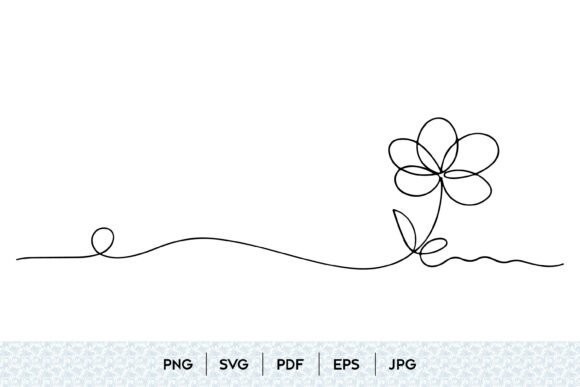
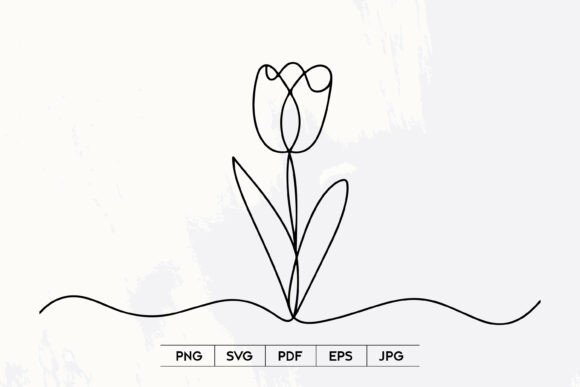
The core appeal of a Minimal Tulip Line Art SVG lies in its structural simplicity. By utilizing a continuous line or a series of refined outlines, the design captures the organic curve of the bloom and the slender stem with precision. This approach differs significantly from traditional floral clipart, which often includes shading, color fills, and intricate petal details that can overwhelm a layout. When evaluating resources for a spring-themed campaign, a garden logo, or a DIY home decor project, the decision often comes down to whether the design needs to serve as a focal point or a subtle accent. The minimalist tulip excels in both scenarios, provided the application aligns with its inherent strengths.
Understanding the Format and Distinctive Features
To fully appreciate the utility of a Minimal Tulip Line Art SVG, one must first understand the technical advantages of the Scalable Vector Graphics (SVG) format compared to other file types. An SVG file is defined by mathematical equations rather than pixels. This means the image can be resized from a tiny icon on a mobile screen to a massive banner for a storefront without any loss of quality. In contrast, raster formats like JPG or PNG rely on a fixed grid of pixels; enlarging them results in blurriness or pixelation.
While the prompt mentions availability in PNG, EPS, PDF, and JPG formats, the SVG remains the primary source file for flexibility. The EPS (Encapsulated PostScript) format is another vector option, often preferred in professional print environments, but it can be less compatible with web browsers and some consumer-grade cutting machines. JPG and PNG are useful for quick previews or social media posts where interactivity isn't required, but they lack the editability of vector files. The Minimal Tulip Line Art SVG stands out because it allows users to manipulate individual anchor points, change stroke weights, or alter colors directly within vector editing software before finalizing the output.
A defining characteristic of this style is the "one-line drawing" or "continuous line art" technique. This method creates a fluid, uninterrupted path that traces the outline of the flower. It offers a sense of movement and organic flow that rigid, segmented lines often fail to achieve. This aesthetic is particularly effective for tattoo designs, where the continuous nature of the ink flow mimics the artistic intent of the drawing. However, it also presents a tradeoff: while visually striking, continuous line art can be more challenging to cut on certain vinyl machines if the line weight is too thin, requiring careful evaluation of the specific machine's capabilities.
Comparing Styles: Minimalism vs. Traditional Botanical Art
When selecting floral assets, the choice between a Minimal Tulip Line Art SVG and a detailed botanical illustration depends heavily on the intended context. Traditional botanical art aims for scientific accuracy, featuring cross-sections, stamen details, and realistic texture rendering. These designs are rich and informative but can be visually heavy. They work well for educational materials, vintage packaging, or high-end stationery where detail is paramount.
Conversely, the minimalist approach strips away non-essential elements. A single flower svg in this style focuses on the silhouette and the graceful arc of the stem. This makes it an ideal candidate for modern branding, where logos need to remain legible at small sizes. For instance, a coffee shop logo featuring a detailed, shaded tulip might become indistinguishable when printed on a business card, whereas a simple outline remains crisp and recognizable.
Another comparison involves the use of color. While many floral svg downloads come pre-colored, the true advantage of line art is its neutrality. It acts as a blank canvas, allowing designers to apply brand colors, gradients, or patterns later. This adaptability is a significant factor for agencies managing multiple client projects. A single elegant flower svg file can be adapted for a wedding invitation suite in pastel pinks, a tech startup logo in monochrome, or a summer sale flyer in vibrant oranges, all without needing to purchase separate assets.
Evaluating Tradeoffs and Limitations
Despite its versatility, the Minimal Tulip Line Art SVG is not a universal solution. One limitation is the potential lack of depth. Designs that rely solely on outlines may appear flat in contexts where dimensionality is expected, such as product mockups for 3D rendering. In these cases, a vector file with layered fills or gradients might be more appropriate. Additionally, the simplicity of the design requires strong typography or complementary graphics to carry the visual weight. If used alone in a large empty space, a single line drawing might feel underwhelming unless the composition is carefully balanced.
For crafters using tools like Cricut or Silhouette Cameo, there are practical considerations regarding line weight. Very fine lines in a minimalist flower svg can sometimes tear during weeding or fail to cut through thicker materials like chipboard. Users must evaluate the stroke thickness of the downloaded file against their specific material and blade settings. Sometimes, increasing the stroke width in the design software is necessary before cutting, a step that adds time to the workflow but ensures a successful result.
Ideal Use Cases and Decision Factors
Determining when to choose a Minimal Tulip Line Art SVG involves analyzing the project's end goal. This format is exceptionally well-suited for tattoo flower svg applications. Tattoo artists prefer clean lines that age well on skin, avoiding the muddiness that can occur with dense shading over time. The continuous line style translates beautifully into permanent body art, offering a timeless look that complements various body placements.
In the realm of home decor, these files are perfect for laser cutting and CNC routing. A laser cut svg of a tulip can be used to create intricate wooden wall art, metal signage, or decorative boxes. The simplicity of the design ensures that the laser cutter does not struggle with overly complex paths, resulting in cleaner edges and faster production times. Similarly, for DIY craft svg projects involving iron-on vinyl, the clear outlines make weeding easier, reducing frustration for hobbyists.
Web designers also benefit from the lightweight nature of SVG files. Unlike high-resolution JPEGs that slow down page load times, a Minimal Tulip Line Art SVG loads instantly and scales perfectly across all devices. This performance advantage is critical for maintaining good SEO rankings and user experience. Whether used as a section divider, a background element, or an icon, the file contributes to a fast, responsive website.
When to Consider Alternatives
There are scenarios where a different resource might be more effective. If a project requires photorealism, such as a magazine cover feature on spring gardening, a high-resolution photograph or a hyper-realistic digital painting would be superior to line art. Similarly, if the target audience expects a whimsical, cartoonish style, the sleek, modern lines of a minimalist tulip might feel too sterile. In children's book illustration, for example, bold shapes and bright colors often engage young readers better than delicate outlines.
Furthermore, if the design needs to be filled with complex patterns or textures immediately, starting with a solid shape vector rather than a line art file might streamline the process. While line art can be converted to a closed shape, it often requires additional manual work to ensure the paths are properly connected for filling. Evaluating the time investment versus the desired outcome is a key decision factor for professionals managing tight deadlines.
Technical Considerations for Digital Downloads
When acquiring a Minimal Tulip Line Art SVG, it is important to verify the quality of the vector data. A well-constructed file will have organized layers, named groups, and no stray anchor points. This organization saves hours of cleanup time in software like Adobe Illustrator or CorelDRAW. Many free or low-cost digital download options may contain messy code that causes compatibility issues with cutting machines or web browsers.
Additionally, checking the included formats is beneficial. While SVG is the gold standard, having access to PDF and EPS versions provides a safety net for different workflows. For instance, a printer might request a PDF for offset printing, while a web developer insists on SVG. A comprehensive package that includes PNG and JPG previews allows for quick integration into presentations or social media drafts without needing to render the vector file first.
Ultimately, the value of a Minimal Tulip Line Art SVG lies in its ability to bridge the gap between artistic expression and functional design. It offers a balance of aesthetic appeal and technical reliability that serves a wide range of industries. By understanding its strengths, limitations, and ideal applications, creators can make strategic choices that enhance their projects. Whether for a personal tattoo, a commercial logo, or a home decor masterpiece, this format provides a foundation for elegant, scalable, and timeless design solutions.