Whimsical Wine Patterns Frames: A Practical Evaluation for Designers and Creators
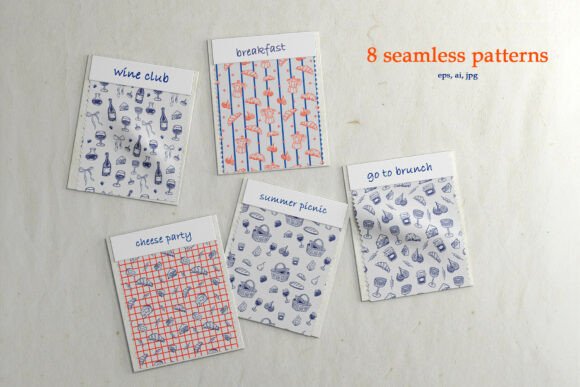
In the realm of graphic design, particularly within the hospitality and lifestyle sectors, the choice of visual assets can define the tone of a brand. The Whimsical Wine Patterns Frames collection represents a specific aesthetic approach that blends hand-drawn charm with functional versatility. This resource offers a curated set of eight seamless patterns and six decorative frames featuring wine bottles, glasses, cheese, grapes, flowers, and thematic phrases. For designers aged 20 to 50 who are evaluating resources for menus, packaging, or textile design, understanding where this specific style fits within the broader market is essential. It is not merely a download; it is a stylistic decision that impacts how a message is received.
Defining the Aesthetic and Functional Scope
The core distinction of the Whimsical Wine Patterns Frames lies in its "hand-drawn" quality. Unlike vector libraries dominated by rigid, geometric shapes or hyper-realistic photography, this collection utilizes doodles to create a sense of warmth and approachability. The inclusion of elements like picnic setups, floral accents, and casual wine phrases moves the design away from the formal, somber tones often associated with traditional winery branding. Instead, it suggests celebration, relaxation, and a modern appreciation for wine culture.
Functionally, the package is divided into two primary categories: seamless repeats and framing elements. The eight seamless patterns—ranging from the "Wine Bottle Pattern" to the "Mixed Wine Elements Pattern"—are engineered to tile without visible seams. This technical capability is crucial for applications requiring large surface coverage, such as wallpaper, fabric, or wrapping paper. Conversely, the six decorative frames, including round, oval, and label-shaped options, serve as containers for text. These are specifically optimized for high-contrast areas where information needs to be highlighted, such as on a specials board or an invitation card.
Comparing Styles: Whimsical vs. Minimalist and Realistic
When selecting design assets, creators often weigh the whimsical style against minimalist or photorealistic alternatives. Each approach serves a different psychological purpose. A minimalist wine logo might use a single line drawing of a grapevine to convey sophistication and exclusivity. In contrast, the Whimsical Wine Patterns Frames embraces complexity and playfulness. If the goal is to market a high-end vintage reserve, a minimalist approach may be more appropriate. However, for a wine bar hosting happy hours, a vineyard offering picnic packages, or a boutique selling wine accessories, the doodle style creates an immediate emotional connection.
Another common alternative is the use of stock photography. While photos provide realism, they often lack the flexibility required for pattern creation. Blending multiple photographs into a seamless repeat frequently results in visual clutter or lighting inconsistencies. The vector nature of the patterns in this collection allows for uniform coloring and scaling without loss of quality. Furthermore, the "Cheese Wine Pattern" or "Picnic Pattern" demonstrates a level of conceptual integration that is difficult to achieve with disparate photo assets. The whimsical style unifies these disparate elements under a single artistic voice, ensuring brand consistency across various touchpoints.
Evaluating Technical Formats and Workflow Integration
A critical factor in choosing digital assets is file compatibility. The Whimsical Wine Patterns Frames provides files in JPG, EPS, and AI formats. This multi-format availability addresses different stages of the design workflow. The JPG files, rendered at 300 DPI, offer a ready-to-use solution for print materials where no further editing is anticipated. They are ideal for quick turnarounds, such as printing napkins or creating social media graphics where speed is prioritized over customization.
However, the true value for professional designers lies in the EPS and AI (Adobe Illustrator) source files. These vector formats allow for infinite scalability. A designer can resize a corner ornament frame from a business card size to a billboard size without pixelation. More importantly, the editable nature of these files permits color adjustments. A winery with a specific brand palette can easily change the purple grapes or green leaves to match their corporate identity, something impossible with raster-only assets. When comparing this to subscription-based stock sites that often lock users into lower-resolution previews or require complex licensing for commercial use, the ownership of source files offers significant long-term utility.
Strengths and Tradeoffs in Application
- Versatility: The collection covers a wide range of applications, from soft goods like tablecloths and fabric to hard goods like signage and wine labels. This breadth reduces the need to purchase multiple separate asset packs.
- Customization Potential: The vector format ensures that every element, from the wine glass to the flower petals, can be manipulated, separated, or recolored.
- Aesthetic Limitations: The hand-drawn style is inherently informal. It may not suit luxury brands that rely on serif typography and stark minimalism. Users must evaluate whether "whimsical" aligns with their brand's desired perception of authority and prestige.
- Licensing Considerations: While the product includes commercial rights for many uses, designers should always verify specific terms regarding resale of the raw files versus end-products. Unlike some royalty-free subscriptions, individual purchases often come with distinct usage boundaries.
Decision Factors: When to Choose This Collection
Determining if the Whimsical Wine Patterns Frames is the right choice depends heavily on the project's context. This resource is the optimal fit for businesses aiming to humanize their brand. For example, a local bistro updating its menu design would benefit significantly from the "Round Frame" or "Label Shape Frame" to highlight seasonal offerings. The organic lines soften the dining experience, making it feel less transactional and more inviting.
Similarly, event planners organizing wedding receptions or corporate picnics will find the "Picnic Pattern" and "Flower Wine Pattern" highly effective for invitations and place cards. The imagery evokes a specific atmosphere of leisure and enjoyment. In the retail sector, small-batch producers of wine-related merchandise, such as tote bags or coasters, can utilize the seamless patterns to create unique, branded products that stand out against mass-produced, generic designs.
Conversely, there are scenarios where this collection may not be the best investment. If a project requires a serious, academic, or strictly corporate tone, the doodle elements could undermine the message. Additionally, if a designer requires photorealistic textures of wood barrels or liquid refraction in wine glasses, this stylized approach will not meet those technical requirements. In such cases, a combination of this collection with other realistic assets might be necessary, or a completely different library should be sought.
Strategic Implementation for Maximum Impact
To maximize the value of these assets, designers should consider how the patterns interact with typography and layout. Because the whimsical style is busy and detailed, it works best when balanced with ample white space or solid color blocks. Using the "Wine Phrase Pattern" as a background for a dense block of text could reduce readability. Instead, the seamless patterns are most effective as full-page backgrounds where text is overlaid in a contrasting color, or as borders using the decorative frames.
The "Corner Ornaments Frame" offers a subtle way to add character to a document without overwhelming the content. This is particularly useful for wine lists where the focus must remain on the varietals and prices. By using the frame sparingly, the design retains a professional structure while injecting personality. Furthermore, the ability to mix and match elements from the "Mixed Wine Elements Pattern" allows for the creation of custom compositions that do not look like pre-made templates. This adaptability is a key advantage over static clip art sets.
Ultimately, the Whimsical Wine Patterns Frames serves as a robust toolkit for creators who understand the power of mood in design. It bridges the gap between functional necessity and artistic expression, offering a cohesive visual language for the wine industry. By carefully weighing the stylistic implications against the project goals, designers can determine if this playful, versatile collection is the precise instrument needed to elevate their work.